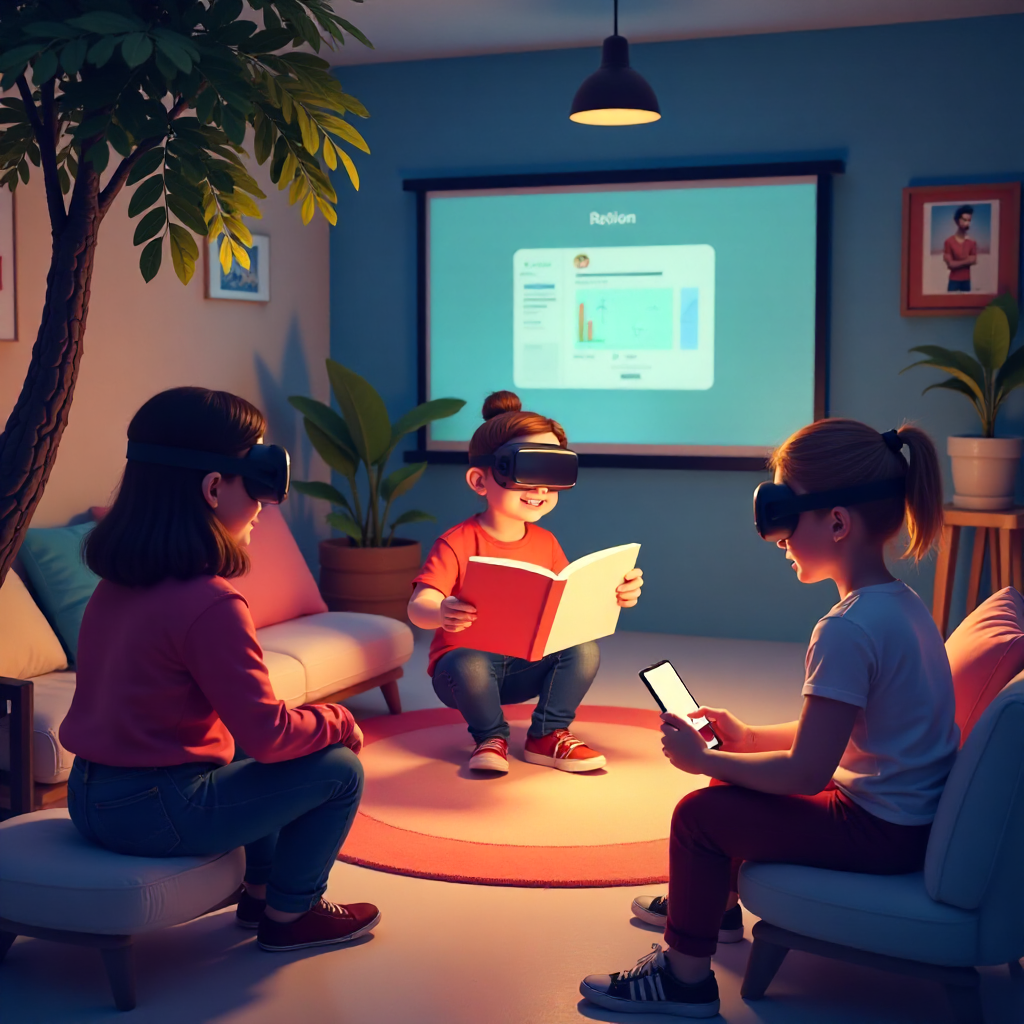
Virtual Reality and the Future of Immersive Storytelling
Virtual reality (VR) is rapidly reshaping the landscape of storytelling by enabling fully immersive, interactive narratives that go beyond traditional media forms. By blending advanced technology like 360-degree video and spatial audio with compelling narratives, VR creates experiences that place the user at the story’s center, transforming passive viewers into active participants. This article explores how VR is changing immersive storytelling today and what the future holds for this exciting medium.
Introduction to Immersive Storytelling in VR
Immersive storytelling in virtual reality involves crafting narratives that fully engage the senses and offer a 360-degree environment where users can explore and interact with the story world. Unlike conventional screen-based media, VR places the user inside the story, providing a sense of presence and agency. This approach relies on VR hardware like headsets—including popular models such as the Oculus Quest and HTC Vive—which deliver stereoscopic visuals and head tracking to simulate real-world spatial environments.
By combining interactive narratives with sensory elements like spatial audio, VR storytelling enhances emotional impact and user engagement. This new form of storytelling creates a deeper connection between the audience and content, offering unique opportunities for media producers to innovate beyond flat, linear story formats.
Current Applications of VR in Media
Virtual reality is already making significant strides across several media industries, demonstrating its versatility in immersive storytelling.
- Journalism: VR documentaries utilize 360-degree video to transport viewers to remote or conflict zones, delivering first-person perspectives that deepen empathy and understanding. Examples like "The Enemy" by the International Red Cross have pioneered VR journalism by allowing users to experience war zones from multiple viewpoints.
- Gaming: Immersive storytelling is central to VR gaming, where interactive narratives unfold in richly detailed virtual worlds. Games such as "Half-Life: Alyx" combine real-time user decisions with environmental storytelling enhanced by spatial audio and haptics to deliver compelling experiences.
- Film and Entertainment: VR films leverage 360-degree video to break the typical frame constraints, enabling audiences to look around and discover story elements independently. This non-linear approach challenges traditional storytelling structures and invites experimentation with time and perspective.
These applications highlight how VR media production techniques focus on user freedom and sensory immersion, setting the stage for new narrative possibilities.
Technological Innovations Driving VR Storytelling
Recent advances in VR technology are essential drivers behind the evolution of immersive storytelling. Core innovations include:
- 360-Degree Video: This technique captures every angle around the camera, allowing story creators to build environments where users control their viewpoint, enhancing immersion and presence.
- Spatial Audio: Unlike standard stereo sound, spatial audio simulates sounds emanating from specific locations in 3D space. This adds realism and guides audience attention in VR narratives.
- Haptic Feedback: Emerging VR controllers and suits provide tactile sensations synchronized with story events, deepening engagement by adding the sense of touch to the experience.
- Advanced VR Headsets: Devices like Oculus Quest 2 and HTC Vive Pro offer high-resolution displays, accurate motion tracking, and wireless functionality, making VR storytelling more accessible and comfortable.
Together, these technologies enable media producers to craft richer, multi-sensory narratives that immerse users more completely than ever before. The synergy of visuals, sound, and interaction defines VR’s unique storytelling potential.
Design Principles for Engaging VR Narratives
Creating compelling immersive stories requires thoughtful design that prioritizes intuitive user experience (UX) and interactivity. The core principles include:
- User-Centered Interaction: VR narratives must offer natural interactions that respect users’ movements and choices, enabling agency without causing confusion or motion sickness.
- Spatial Storytelling: Designers arrange story elements dynamically in 3D space, letting users discover plot points by exploring rather than following a fixed path.
- Balancing Guidance and Freedom: Effective VR stories provide subtle cues—through lighting, sound, or character gaze—to guide attention while allowing autonomy in how users navigate the environment.
- Comfort and Accessibility: UX considerations include adjustable settings to reduce VR fatigue and options for users with disabilities to ensure story accessibility across diverse audiences.
Immersive storytelling merges narrative craft with cutting-edge UX design, creating experiences that are both engaging and comfortable for extended interaction.
Challenges Facing VR Storytellers
Despite its promise, VR storytelling presents distinct challenges for creators and producers. Technical hurdles include the high costs and complexity of producing 360-degree video and spatial audio that meet professional quality standards. Performance optimization is necessary to prevent lag and motion sickness, which can break immersion.
From a creative standpoint, balancing user freedom with coherent storytelling remains difficult. Too much narrative branching can dilute impact, while overly linear stories risk feeling constrained. Additionally, VR’s relative novelty means many audiences and creators are still learning effective storytelling techniques.
On accessibility, VR headsets can be expensive and require physical space and skill to operate, limiting reach to the general public. Furthermore, VR content must consider motion sickness, visual impairments, and user comfort to appeal broadly.
Addressing these challenges will demand innovation in both technology and narrative design approach to fully unlock VR’s storytelling potential.
The Future Landscape of VR Storytelling
The future of VR storytelling promises deeper immersion, greater interactivity, and broader adoption as technology advances and media production techniques evolve.
Key trends likely to shape the landscape include:
- Integration with Augmented Reality (AR): Hybrid AR and VR experiences will blend physical and virtual elements, creating richer narrative layers accessible via lightweight devices.
- AI-Driven Interactive Narratives: Artificial intelligence will enable dynamically adaptive stories responding to user behavior, delivering personalized and unpredictable plotlines.
- Lighter, More Accessible Hardware: Innovations in VR headsets will offer higher fidelity visuals and spatial audio with less bulk, lowering barriers to entry and expanding audiences.
- Collaborative and Social VR Storytelling: Multi-user virtual environments will enable shared narrative experiences, merging gaming, social media, and storytelling genres.
As these developments unfold, VR will become a foundational medium in media production, enabling creators to redefine narrative structure and audience engagement on a global scale.
Conclusion: Why VR Will Redefine Storytelling
Virtual reality’s fusion of immersive technology with interactive narrative design is poised to transform storytelling’s very nature. By leveraging tools like 360-degree video, spatial audio, and responsive UX, VR offers unprecedented ways to engage emotions and senses. Though challenges remain in production complexity and accessibility, ongoing innovations promise to democratize immersive storytelling.
For media professionals and enthusiasts alike, VR represents not just a new channel but a new language for storytelling, where users become co-creators in vivid worlds. The future of media hinges on this exciting convergence of technology and narrative, opening wide the door to stories as never before experienced.
FAQ
What is immersive storytelling in VR?
Immersive storytelling in VR is the technique of creating narratives that fully engage the user’s senses within a 3D virtual environment. It enables users to explore and interact with the story world, making them active participants rather than passive viewers.
How do VR headsets enhance storytelling experiences?
VR headsets like Oculus Quest and HTC Vive deliver stereoscopic 3D visuals and track head movement, creating a sense of presence within virtual environments. Coupled with spatial audio, they allow users to perceive and respond to story elements naturally, intensifying immersion.
What are the main challenges in creating VR content?
Key challenges include the technical complexity and cost of producing high-quality 360-degree video and spatial audio, ensuring user comfort to avoid motion sickness, balancing narrative freedom with coherence, and making content accessible to diverse audiences.
How does VR compare to traditional storytelling mediums?
Unlike traditional media such as film or books, VR offers a multi-sensory, interactive experience where users control their viewpoint and actions within the story. This leads to heightened emotional engagement but requires new narrative techniques to manage user agency.
What future trends will shape VR storytelling?
Future VR storytelling will be shaped by the integration of augmented reality, AI-driven dynamic narratives, lighter and more accessible headsets, and multi-user social experiences that blend gaming and storytelling into new hybrid forms.